September 30, 2026
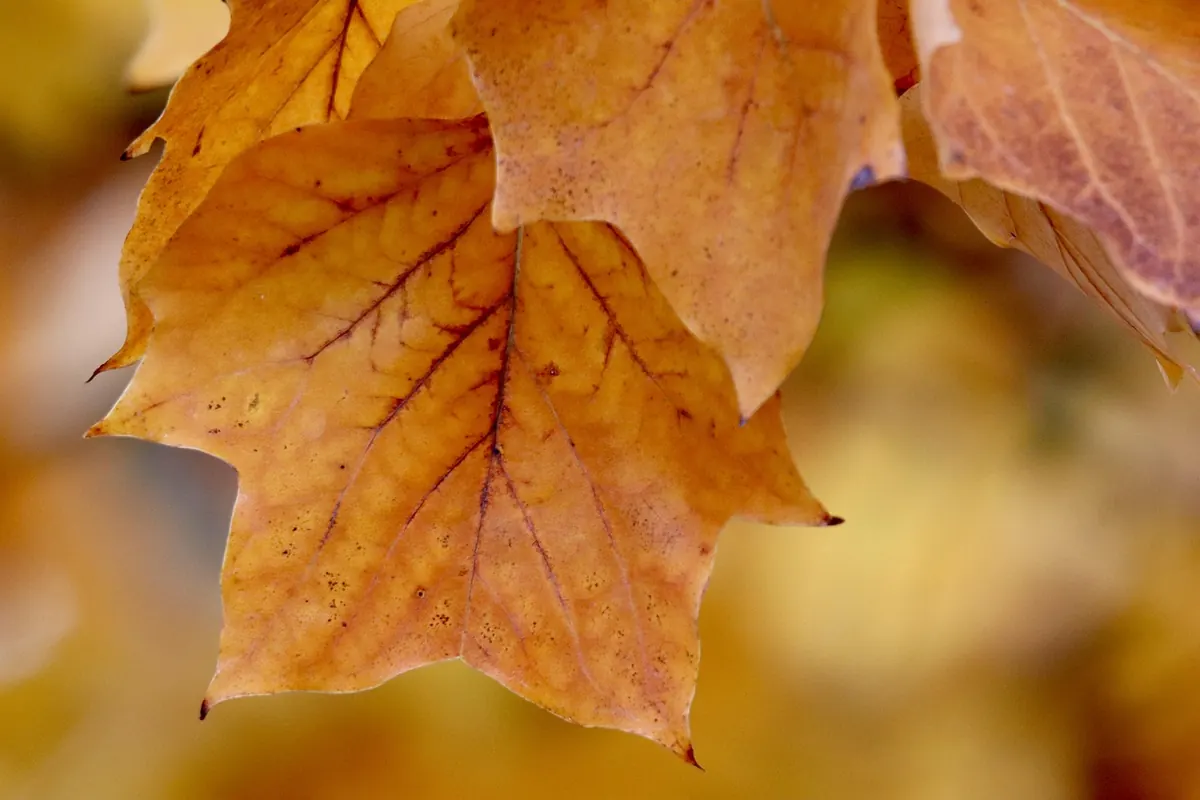
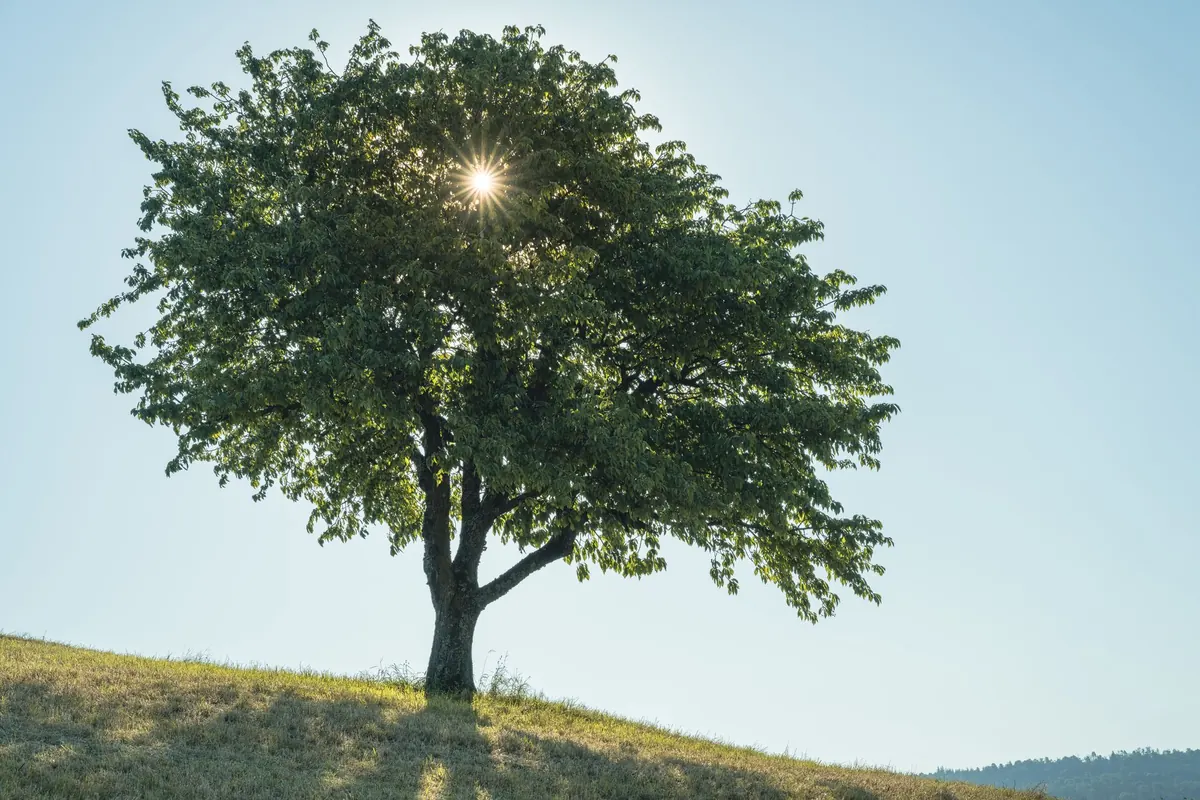
Trees do most of their growing before midsummer. By the time the first leaves start to turn, the year's work is largely done and the tree is slowing down: storing energy, sealing off old wood, and settling in for whatever the winter brings. Your own to-do list is shorter than you might expect. A few hours spent clearing, mulching and looking closely now will pay you back next spring — and it may save you an expensive repair bill in a January gale.
Clear the Leaves — But Not All of Them
A thick, damp layer of leaves left on a lawn over winter smothers the grass underneath and encourages mould. On paths, steps and driveways, wet leaves are genuinely slippery, and once they pack into gullies and drains they can cause localised flooding the first time it rains hard. So rake the important surfaces first: paths, patios, decking, the lawn, and anywhere water needs to run away freely.
What you do with the leaves matters too. Rather than bagging them for the council, make leaf mould. Fill a wire cage, or stuff black bin bags, punch a few holes in them, tie the tops loosely and tuck them behind a shed. Leave them for a year or two and you will have a crumbly, sweet-smelling material that is perfect as a mulch or a seed-sowing mix. It costs nothing but patience.
Leaving some leaves in place is a good thing. Under hedges, at the back of borders and around the base of mature trees, they shelter hedgehogs, beetles, moths and the small creatures that birds feed on. If the leaves come from a tree with an obvious disease problem, it is usually worth clearing and binning those rather than leaving them to sit.
Mulch the Root Zone While the Soil Is Still Warm
Once the leaves are off the beds, spread a layer of well-rotted organic matter — garden compost, leaf mould, bark or well-rotted manure — about 5–8cm deep in a ring around your trees. Aim for the width of the canopy if you can manage it, and wider for young trees.
The technique is simple but easy to get wrong. Keep the mulch clear of the trunk by a hand's width so the bark at the base can breathe; piling it up against the trunk traps moisture and can lead to rot, and it gives mice and voles a covered route to chew the bark. Do not dig it in. Worms and weather will do that work for you. Mulching now, while the ground is still warm and damp, insulates the roots, holds moisture, and quietly feeds the soil right through to spring.
Walk Round and Look Properly
Autumn is the best time of year for a slow circuit of your trees, because a thinning canopy makes problems in the crown much easier to see. Take ten minutes per tree and look up, then down.
- Dead, broken or hanging branches, especially after a windy summer
- New cracks, splits or bulges in the trunk and main limbs
- Fungal brackets on the trunk, or a sudden flush of mushrooms at the base
- Loose, missing or wounded bark, and damage from mowers and strimmers
- Branches that cross and rub, or tight forks with included bark
- Dieback at the tips, or one side of the tree dropping its leaves weeks early
- A lean that was not there last year, or soil lifting and cracking around the base
- Ties and stakes on young trees that have grown tight against the trunk
Some of these are cosmetic; others are not. A hollow in an old oak is part of the tree's history, whereas a fresh crack at the base of a young birch is a warning. If you spot something on a tree that is large, leans over a road, or stands close to a house, get a qualified arborist to assess it rather than guessing. Diagnosis from the ground is difficult, and the consequences of getting it wrong are not worth the saving.
Pruning: Mostly a Job to Postpone
Resist the urge to get the saw out just because the tree is bare. Wounds made in autumn heal slowly, and the damp air is full of fungal spores. For most broadleaved trees, structural pruning is better left until late winter or early spring, just before growth restarts. Cherries, plums and other Prunus are the classic exception: prune them in summer, in dry weather, to reduce the risk of silver leaf infection.
What can come off now
Dead, dying and damaged wood can be removed at any time — it is no longer feeding the tree and it is a hazard in a gale. The same goes for a branch that has torn away from the trunk. Cut back to healthy wood, make clean cuts just outside the branch collar, and disinfect your blades between cuts if you have been working on diseased material. Never use wound sealants; a well-made cut is better than a painted one.
What to leave until later
Shaping, thinning or reducing a healthy crown can wait. Birch, maple and walnut bleed heavily when pruned in late winter and early spring, so if they genuinely need work, mid-summer or early autumn is often tidier — but anything involving a ladder, a chainsaw, or a branch above your head is a job for someone insured and trained. Never work near overhead power lines.
Young Trees, Pots and New Planting
Newly planted trees need water for their first two or three summers, and a dry, windy autumn counts as much as a hot July. A slow, thorough soak once a week does more than a daily sprinkle. Evergreens keep transpiring all winter, so they are worth watering in dry spells until the ground turns properly cold.
Check tree ties and stakes now: loosen anything cutting into the bark, and remove stakes from smaller trees after a couple of years so they can sway and build strength. Pots should be raised onto feet so winter rain drains instead of sitting around the roots. From November onwards, bare-root trees can be planted whenever the ground is workable — the cheapest and often the most successful way to add a tree to a garden.
Tools, Drains and Storm Readiness
Clean and sharpen your cutting tools, oil the metal, and store them dry. Clear gullies, soakaways and drain covers of leaves before the heavy rain arrives, and drain hosepipes and irrigation lines so they do not split in a frost. Sit down and decide now who you would call if a branch came down at two in the morning — a local arborist with proper insurance, not a friend with a chainsaw.
A Realistic Order of Work
One weekend is enough for most gardens. Work in this order and you will not have to go over the same ground twice:
- Clear paths, steps, gullies and the lawn.
- Bag or cage the leaves for leaf mould.
- Mulch the borders and the root zones.
- Walk the trees, note what you find, and check the ties.
- Remove obvious deadwood and anything genuinely hazardous.
- Book a professional for everything else, before their diaries fill up.
Aim for tidy, not spotless. Leaves under a hedge, a small log pile in a quiet corner and a few seed heads left standing will do more for your garden's wildlife than a swept lawn. And if a tree makes you uneasy — because of its size, its lean, or where it stands — stop and get proper advice. That is a decision you will never regret.
Photo: Nennieinszweidrei / Pixabay